Friendly Reminder for Mobile Visitors — please activate Desktop Mode on your browser before reading.
This ensures everything appears as intended and helps you enjoy the content fully. Thank you! 💻✨
The hills of Shimla weren’t known for drama. They whispered, they watched, they carried secrets through pine needles and moss-covered trails. On one such trail stood Leena, her umbrella tilted against a persistent drizzle. The monastery loomed behind her like an old friend too quiet to comfort. It had been ninety-four days since Armaan vanished—not vanished like a ghost, but like a page torn from a book and carried away by wind.

Their story began with a delay—a train held up at Kalka station due to landslides. Leena had been scribbling floral patterns on her coffee cup sleeve; Armaan, beside her, was writing in a leather-bound journal that had seen rain and regret. Their conversation unfolded with cautious wit and shared silences. That delay became dinner, dinner became dawn, and soon they were walking through snow-dusted paths in Jakhu temple, talking about life as though it had offered them more than it did most people.
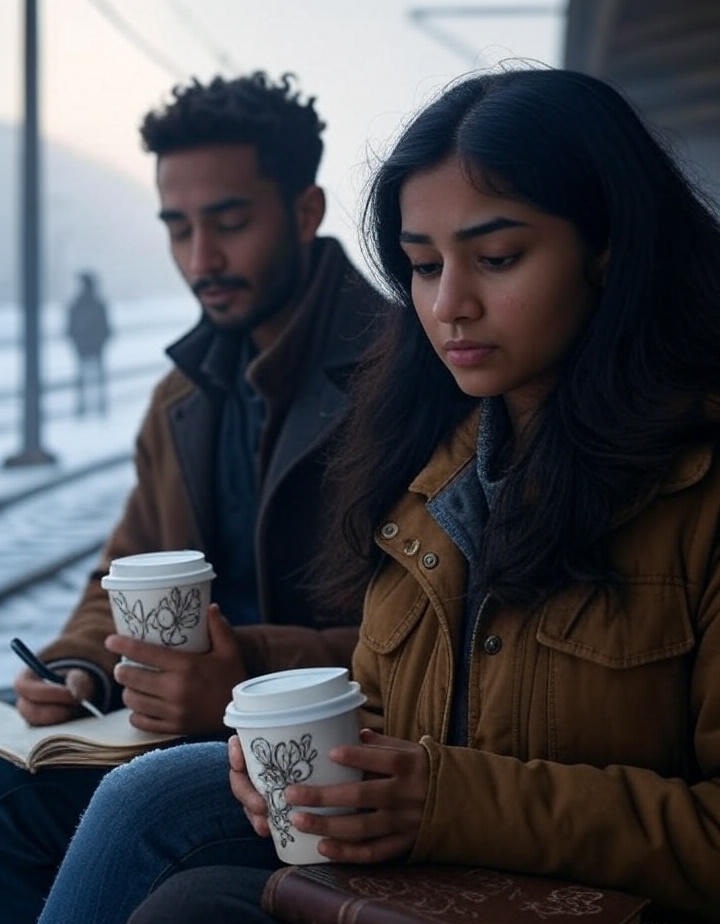
He told her his parents hadn’t spoken in two decades though they lived in the same house. She told him how she often sat alone at concerts, letting music fill the places people couldn’t. Their bond wasn’t fiery—it was slow and peculiar, like mist hugging the hills before sunrise. They collected moments: sketching strangers at Ridge Road, sipping chai in Lakkar Bazaar, reading unsent letters aloud beneath cedar branches.
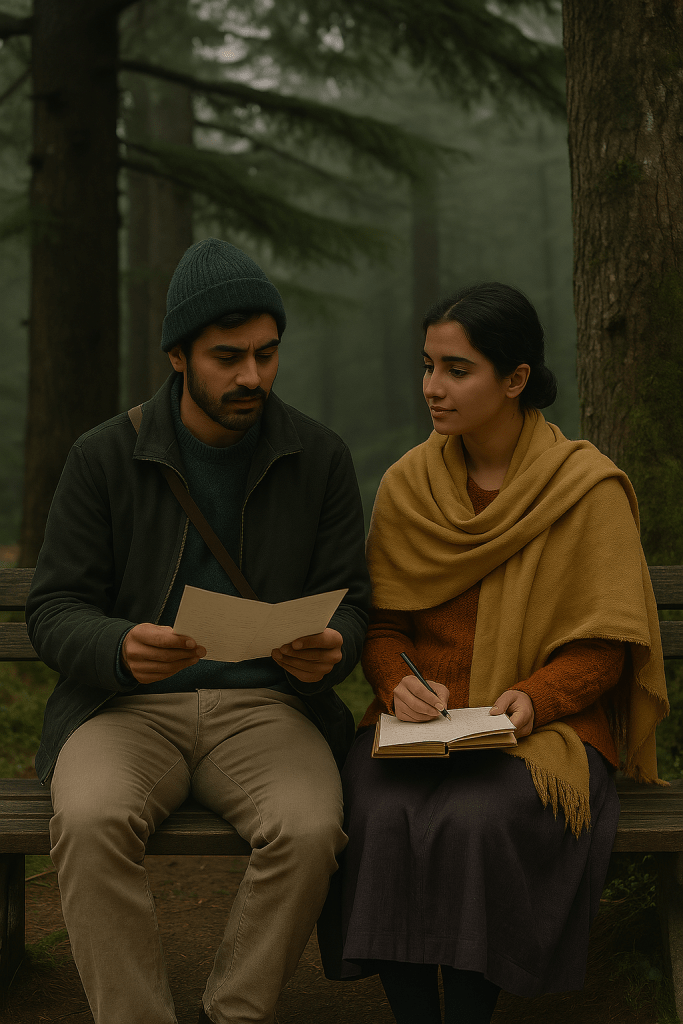
But people are fragile. Armaan’s smiles began fraying. He’d zone out during conversations, forget names of places they’d just visited. Leena noticed, but didn’t press. Love, she believed, wasn’t about solving someone—it was about staying near when they broke apart.
The last time she saw him, he was standing near the Summer Hill station, staring into the valley. “Do you ever feel like a borrowed character?” he asked. “Like you weren’t written for this world?” He hugged her gently—too gently—and walked away.
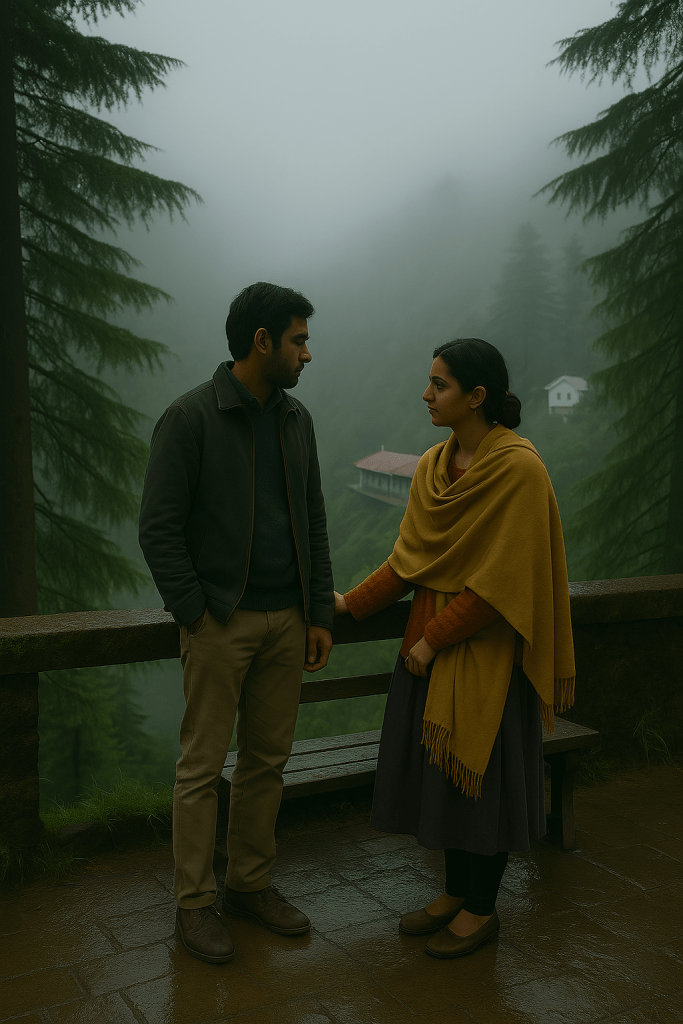
Her search spanned seasons. Dharamshala came first, then Auroville, then a clinic in Solan no one would confirm existed. She chased shadows, emailed strangers, left bookmarks in libraries Armaan once praised. A local poet in Manali told her of a boy who cried during readings and always wore a green hoodie. Could’ve been him. Could’ve been a myth.
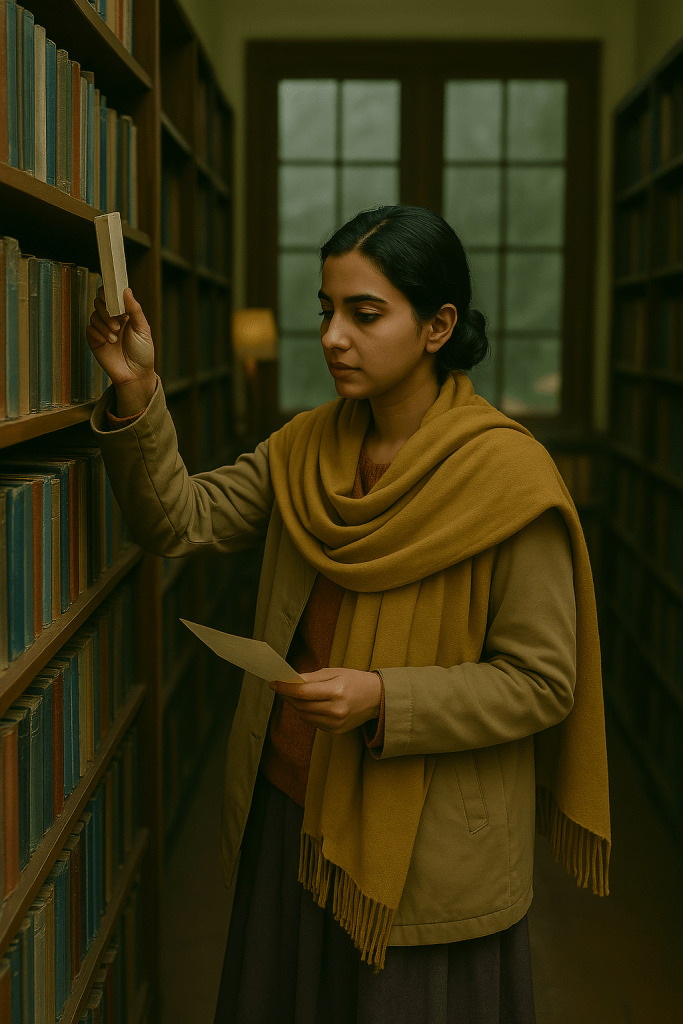
She began writing again—not books, but long letters to herself. Every letter ended with the same line: Some things aren’t lost; they’re paused. Shimla became quieter. Even the rains seemed unsure of themselves. And then came the note. Folded into a paper crane beneath the monastery’s steps. Forgive the silence. No name, no trace—but unmistakable.
Years blended. Leena published a book—Mistletters—filled with stories told through sketches, memories, and half-truths. She visited schools, spoke at art festivals, and quietly cried during curtain calls. The boy in the green hoodie lived in every page.
One December, she returned to Summer Hill and noticed a man sketching near the tracks. His beard was greyer, eyes softer. He didn’t look up. But beside him lay a leather-bound journal—weathered and lined with ink. She didn’t approach. Some moments weren’t meant for confrontation—they were meant to remain beautiful mysteries.
Now, years later, Leena sat in a quiet home by the valley’s edge. Her studio faced the hills. Her hair silver, fingers ink-stained. A blank canvas stared back. She whispered, “This one’s not for you, Armaan. It’s for the version of me that met you.” Outside, the rain began again—gentle and knowing, like it had waited for this ending.
 unheardbook